
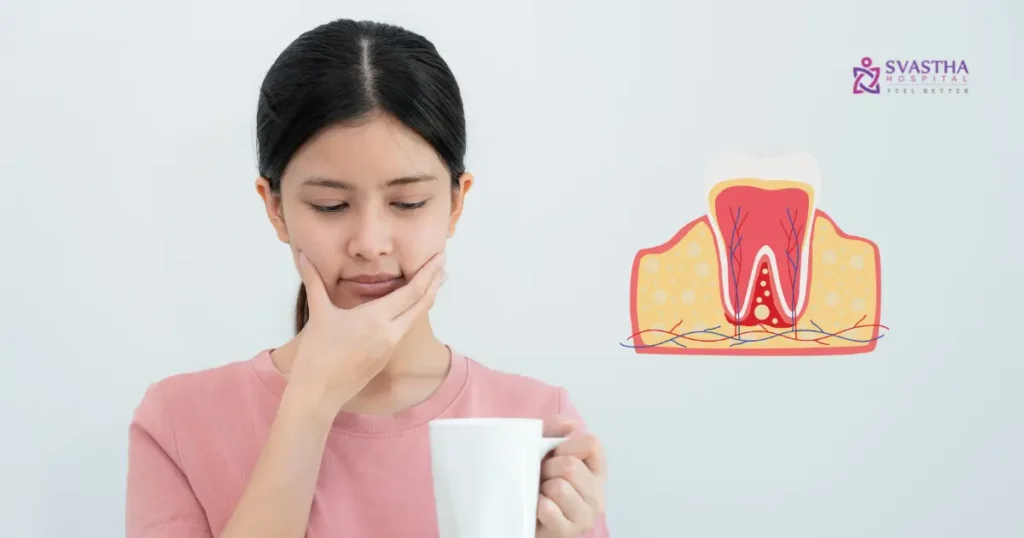
How to Stop Tooth Sensitivity Fast and Safely
How to stop tooth sensitivity is one of the most common questions patients ask when cold water, hot tea, sweet food, or even brushing suddenly causes pain. The discomfort may be short, but it can still affect eating, drinking, and daily comfort.
As a dentist, I always remind patients that how to stop tooth sensitivity starts with finding the cause. Sensitivity is not a disease by itself. It is usually a sign that the tooth surface, gum line, or nerve is being exposed or irritated.
The good news is that many people can reduce the pain with simple changes. In some cases, a dentist may also need to treat the real problem behind it. In this blog, I will explain how to stop tooth sensitivity in easy words so even a child can understand it clearly.
Why Tooth Sensitivity Happens
To understand how to stop tooth sensitivity, it helps to know why it happens.
Each tooth has a strong outer layer called enamel. Under it is dentin, which has tiny channels that lead toward the nerve. When enamel wears down or gums recede, hot, cold, sweet, or acidic things can reach those channels more easily. That is when the pain starts.
Common causes include:
- Brushing too hard.
- Using a hard toothbrush.
- Gum recession.
- Cavities.
- Cracks in the tooth.
- Teeth grinding.
- Acidic foods and drinks.
- Whitening treatments.
If you want to know how to stop tooth sensitivity, the first step is usually protecting the enamel and reducing irritation.
Use a Toothpaste for Sensitive Teeth
One of the simplest answers to how to stop tooth sensitivity is to use toothpaste made for sensitive teeth. These toothpastes help block the channels that send pain signals to the nerve.
Use it every day, not just once in a while. It may take a few days or a few weeks before you notice improvement. Brush gently with a soft toothbrush so you do not make the problem worse.
This is often the first treatment I suggest for mild tooth sensitivity because it is easy, safe, and effective for many people.
Brush Gently
Many people brush too hard because they think it will clean better. But strong brushing can wear away enamel and make the gums pull back.
If you are learning how to stop tooth sensitivity, gentle brushing is very important. Use a soft-bristled brush and move it in small circles. Do not scrub side to side with force.
Think of brushing like washing a delicate object. You want to clean it, not scratch it.
Avoid Very Hot, Cold, and Acidic Foods for a While
Another part of how to stop tooth sensitivity is limiting the things that trigger the pain. Cold ice water, hot soup, soda, citrus fruits, and vinegar-based foods can all make sensitive teeth feel worse.
You do not need to avoid these foods forever. But if your teeth are sore right now, giving them a short break can help. Try lukewarm water and softer foods until the pain settles.
This simple change can make daily life more comfortable while you work on the real cause.
Do Not Brush Right After Acidic Foods
If you eat oranges, drink soda, or have other acidic foods, wait a little before brushing. Acid temporarily softens the enamel, and brushing right away can cause more wear.
This is a small but helpful tip for how to stop tooth sensitivity. Rinse your mouth with plain water first, then brush later after the enamel has had time to recover.
Check for Gum Recession
Gum recession can expose the root of the tooth, and roots are more sensitive than the crown. If you notice that your teeth look longer than before or your gums seem lower, this may be part of the problem.
If gum recession is involved, how to stop tooth sensitivity may require more than toothpaste. A dentist may recommend special cleaning advice, fluoride, gum treatment, or other care depending on the cause.
Healthy gums protect the tooth, so gum care matters just as much as tooth care.
Stop Teeth Grinding
Some people clench or grind their teeth during sleep without even knowing it. This can wear down enamel and make tooth sensitivity worse.
If you wake up with jaw pain, headaches, or sore teeth, grinding may be the reason. A custom night guard from the dentist can protect the teeth while you sleep.
For many patients, this is a key part of how to stop tooth sensitivity because it removes the pressure that keeps damaging the teeth.
Use a Mouth Guard if Needed
If you play sports or grind your teeth, a mouth guard may help protect the enamel from extra force.
This does not fix every type of sensitivity, but it can prevent more damage. When discussing how to stop tooth sensitivity, prevention is often just as important as treatment.
See a Dentist If the Pain Keeps Coming Back
Home care can help, but sometimes the cause is a cavity, crack, or other problem that needs treatment. If your pain is getting worse, staying in one tooth, or waking you up at night, do not ignore it.
A dentist can check whether you need:
- A filling.
- Fluoride treatment.
- Gum treatment.
- A crown.
- A night guard.
- A different sensitivity treatment.
If you are serious about how to stop tooth sensitivity, a proper dental exam is the safest way to find the answer.
When Tooth Sensitivity Is an Emergency
Sometimes sensitivity is more than a minor annoyance. You should seek help quickly if you have:
- Swelling.
- Severe tooth pain.
- Pain when biting.
- A broken tooth.
- Bleeding gums with pain.
- Fever or facial swelling.
These signs may mean infection or serious damage. In that case, how to stop tooth sensitivity is not just about comfort. It is about protecting your health.
Final Thoughts
If you are wondering how to stop tooth sensitivity, start with the basics: use toothpaste for sensitive teeth, brush gently, avoid triggers, and protect your gums and enamel. These steps help many people feel better.
But if the pain does not improve, a dentist should check for cavities, gum recession, grinding, or cracks. The right treatment depends on the cause. Once the cause is found, how to stop tooth sensitivity becomes much easier to solve.
Frequently Asked Questions
1. How to stop tooth sensitivity fast?
Use toothpaste for sensitive teeth, avoid very cold or hot foods, and brush gently with a soft toothbrush.
2. Can tooth sensitivity go away on its own?
Sometimes mild sensitivity improves, but lasting or severe pain should be checked by a dentist.
3. Does sensitive teeth toothpaste really work?
Yes, it can help many people when used regularly.
4. What foods should I avoid with sensitive teeth?
Try to limit very cold, very hot, acidic, and sugary foods if they trigger pain.
5. When should I see a dentist for tooth sensitivity?
See a dentist if the pain keeps coming back, gets worse, or happens in one tooth only.