
Fibroids: Symptoms, Treatment, and When They Need Care
Fibroids are one of the most common reasons women visit a gynecologist for heavy bleeding, pelvic pressure, or discomfort. Many women have fibroids without even knowing it, because small growths may not cause any symptoms at all. In other cases, fibroids can affect daily life by causing pain, heavy periods, or a feeling of fullness in the lower abdomen.
The good news is that fibroids are usually non-cancerous. Even so, they should not be ignored if they begin to cause symptoms. Understanding what fibroids are, how they affect the body, and when treatment is needed can help women make informed health decisions.
What Are Fibroids?
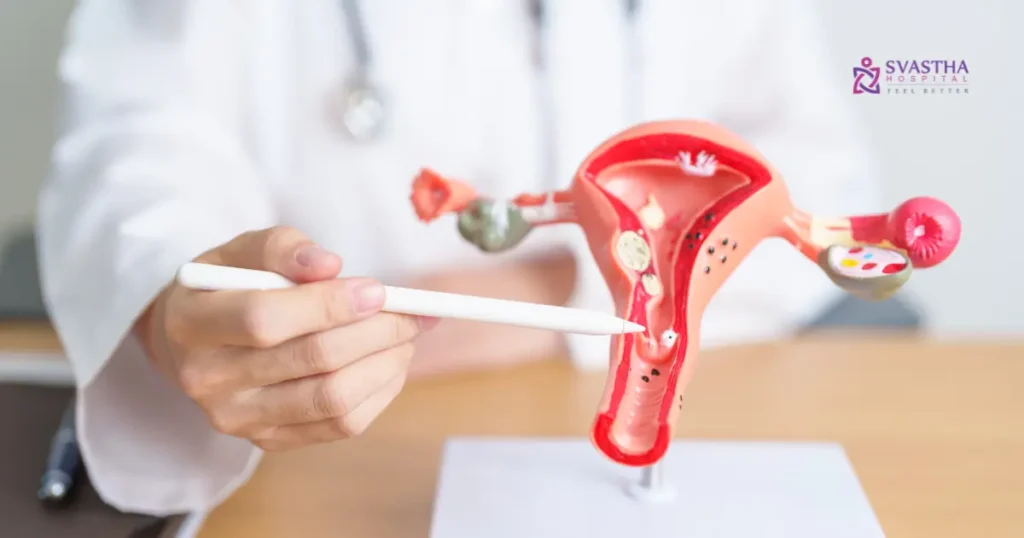
Fibroids are non-cancerous growths that develop in or around the uterus. They are also called uterine leiomyomas or myomas. Some women may have one fibroid, while others may have several at the same time.
These growths can vary in size. Some fibroids are very small and cause no problems, while others can become large enough to press on nearby organs. Their position in the uterus often determines what symptoms they cause.
Common Symptoms of Fibroids
Not all fibroids cause symptoms, but when they do, the signs can be noticeable and bothersome. The most common symptom is heavy or prolonged menstrual bleeding. Some women also pass blood clots or feel weak because of blood loss.
Other symptoms of fibroids may include:
- Pelvic pressure or fullness.
- Pain or cramping during periods.
- Frequent urination.
- Constipation.
- Pain during sex.
- A swollen lower abdomen.
- Trouble conceiving in some cases.
The symptoms depend on the size, number, and location of the fibroids.
What Causes Fibroids?
The exact cause of fibroids is not fully known, but hormones and genetics are believed to play a major role. Estrogen and progesterone can influence their growth, which is why fibroids often change during a woman’s reproductive years.
Family history may also increase the chance of developing fibroids. Some women are more likely to get them because of inherited traits, while others may not have any obvious risk factors.
How Fibroids Affect Periods
One of the most common ways fibroids show up is through menstrual changes. Periods may become heavier, longer, or more painful than usual. Some women also need to change pads or tampons much more often than before.
Large or multiple fibroids can make bleeding worse by affecting the way the uterus contracts. This can lead to anemia over time if blood loss is repeated every month.
Fibroids and Fertility
In some women, fibroids can affect fertility depending on where they are located. Fibroids inside the uterine cavity may interfere more with implantation or pregnancy than fibroids elsewhere. However, many women with fibroids still get pregnant and have healthy babies.
If you are trying to conceive and have been told you have fibroids, it is important to discuss the size and position of the growths with your doctor. Not every fibroid needs treatment before pregnancy, but some may need closer monitoring.
How Fibroids Are Diagnosed
Doctors often find fibroids during a pelvic exam or when investigating symptoms like heavy bleeding or pain. An ultrasound is commonly used to confirm the diagnosis and check the size and number of fibroids.
In some cases, other scans or tests may be done if the doctor wants more detail. These tests help decide whether the fibroids can be monitored or whether treatment is needed.
Treatment Options for Fibroids
Treatment depends on whether the fibroids are causing symptoms, how large they are, and whether pregnancy is desired in the future. Small fibroids with no symptoms may only need regular follow-up.
1. Watchful waiting
If fibroids are not causing problems, a doctor may recommend monitoring them over time. Many women do not need immediate treatment.
2. Medicines
Medicines may be used to reduce heavy bleeding, relieve pain, or control hormone-related growth. These treatments may help manage fibroids but may not remove them completely.
3. Non-surgical procedures
Some women may benefit from procedures that shrink or destroy fibroid tissue. These options depend on the number, size, and location of the fibroids.
4. Surgery
If fibroids are very large, painful, or causing major bleeding, surgery may be considered. In some cases, only the fibroids are removed. In other situations, more extensive treatment may be needed.
When Fibroids Need Care
You should see a doctor if fibroids are causing heavy bleeding, strong pain, pressure symptoms, or fertility concerns. You should also seek help if you feel tired all the time, because this may be a sign of anemia from blood loss.
Even if fibroids are not dangerous, they can still reduce quality of life. Getting checked early can prevent complications and help you choose the right treatment at the right time.
Living With Fibroids
Some women live comfortably with fibroids for years without needing treatment. Others may need a plan to manage bleeding, pain, or pressure symptoms. Tracking periods and symptoms can make it easier to notice changes.
A healthy routine, iron-rich foods, and regular gynecology visits can also help. If fibroids are affecting your comfort or confidence, you do not have to keep struggling silently.
Conclusion
Fibroids are common, usually non-cancerous, and often treatable. While some women never notice them, others experience heavy periods, pain, and pressure that should be evaluated. Learning the symptoms of fibroids and knowing when they need care can help you protect your health and feel more in control.
Frequently Asked Questions
1. What are fibroids?
Fibroids are non-cancerous growths that develop in or around the uterus.
2. Do fibroids always cause symptoms?
No. Some fibroids cause no symptoms, while others lead to heavy bleeding, pain, or pressure.
3. Can fibroids affect pregnancy?
Yes, depending on their size and location, fibroids can affect fertility or pregnancy in some women.
4. How are fibroids diagnosed?
Doctors usually diagnose fibroids with a pelvic exam and ultrasound.
5. Do fibroids need surgery?
Not always. Many fibroids can be monitored or managed with medicine, and surgery is only needed in some cases.