
How Much Do Dental Implants Cost in 2026?
Missing a tooth can affect more than your smile. It can change how you eat, speak, and feel about yourself. Many people ask the same important question first: how much do dental implants cost?
Dental implants are one of the most trusted ways to replace missing teeth. They look natural, feel strong, and can last for many years with proper care. But the price is not the same for everyone. The dental implants cost depends on the number of teeth you need to replace, the condition of your jawbone, the type of implant used, and the treatment plan your dentist recommends.
In this blog, I will explain the dental implants cost in a simple way so you can understand what affects it, what you may expect to pay, and why many patients choose this treatment even though the starting price may seem high.
What Are Dental Implants?
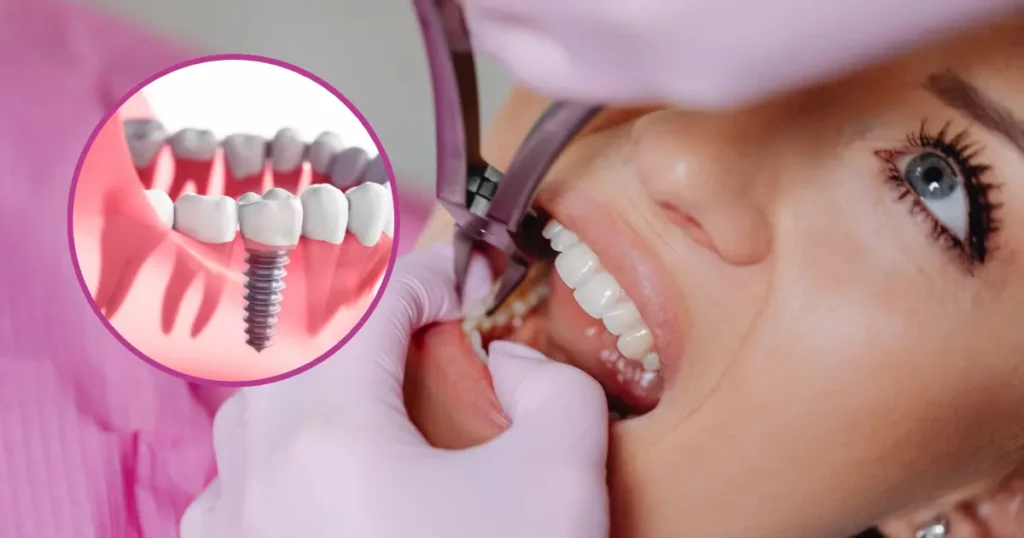
A dental implant is a small titanium post that works like an artificial tooth root. It is placed inside the jawbone. After healing, a crown is fixed on top, and this crown looks like a real tooth.
The full treatment usually has three parts:
- The implant post.
- The abutment, which connects the implant and crown.
- The crown, which is the visible tooth.
When people ask about dental implants cost, they are usually asking about the full treatment, not just the metal post. That is important because the final price often includes all three parts, plus scans, surgery, and follow-up visits.
Why Are Dental Implants So Popular?
Dental implants are popular because they can feel very close to natural teeth. They do not move around like removable dentures, and they help protect the jawbone from shrinking after tooth loss.
Many patients choose dental implants because they:
- Look natural.
- Feel stable while chewing.
- Support nearby teeth.
- Can improve confidence.
- May last a long time with good oral care.
Even though the dental implants cost may be higher at the beginning, many people feel the long-term value is worth it.
How Much Do Dental Implants Cost?
The dental implants cost can vary a lot depending on where you live, the clinic, and your oral health.
In general, a single dental implant may cost more than a filling, crown, or bridge because it is a surgical and multi-step treatment. If you need several implants or a full-mouth solution, the cost will be higher.
The final price may include:
- Consultation and diagnosis.
- X-rays or 3D scans.
- Tooth removal if needed.
- Bone grafting if the jawbone is weak.
- Soft tissue grafting.
- Implant placement surgery.
- Healing time.
- Abutment and crown placement.
- Follow-up care.
So when you compare prices, always ask what is included. A lower quote may look attractive, but it may not cover the full treatment. That is why the real dental implants cost can only be understood after a proper dental examination.
Factors That Change the Cost
Several things can change the dental implants cost:
1. Number of teeth
Replacing one tooth is cheaper than replacing many teeth. A full mouth treatment will cost more than a single implant.
2. Bone health
If your jawbone has become weak or thin, you may need a bone graft before the implant. This adds extra cost and extra healing time.
3. Type of implant
Some patients need a standard implant, while others may need special implants such as All-on-4 or zygomatic implants. Different systems have different prices.
4. Dentist’s experience
An experienced implant dentist may charge more, but skill and planning matter a lot in this treatment.
5. Location of the clinic
Prices are often different from city to city and country to country.
6. Extra procedures
If you need gum treatment, extractions, sinus lifting, or temporary teeth, the dental implants cost can increase.
Are Dental Implants Worth the Price?
For many patients, yes.
A bridge or denture may cost less in the beginning, but dental implants often last longer and feel more natural. They also help maintain the jawbone, which is a big advantage. If you take care of them properly, the same implant may serve you for many years.
When we think only about the first bill, the dental implants cost can seem high. But when we think about comfort, chewing ability, confidence, and long-term value, many patients see it as a smart investment.
What Happens During the Procedure?
The dental implant procedure is usually done in stages.
First, the dentist examines your mouth and takes scans. This helps check bone strength and planning. If the area is ready, the implant is placed into the jawbone. After that, the bone needs time to heal and grow around the implant.
This healing phase is very important. It is what makes the implant strong. After healing, the dentist adds the abutment and then places the final crown.
The process is often easier than many people expect. Some patients feel nervous at first, but modern dentistry uses local anesthesia and careful planning to keep the treatment as comfortable as possible.
Recovery and Aftercare
After surgery, mild swelling or soreness is normal. Most patients recover with proper rest, soft food, and the dentist’s instructions.
You may need to:
- Eat soft foods for a few days.
- Avoid smoking.
- Keep the area clean.
- Take medicines if prescribed.
- Attend follow-up visits.
Good aftercare protects your investment. A dental implant is strong, but it still needs healthy gums and daily cleaning. If you ignore oral hygiene, the implant can fail over time.
How to Reduce Your Final Cost
There are a few safe ways to make the treatment more manageable:
- Get a full exam before deciding.
- Ask for a written treatment plan.
- Compare what is included in each quote.
- Check whether the clinic offers payment options.
- Treat gum disease or cavities early before they get worse.
Sometimes the cheapest option is not the best one. For long-term oral health, quality matters more than saving a small amount at the start.
Who Should Consider Dental Implants?
Dental implants may be a good choice if:
- You have one or more missing teeth.
- You want a fixed, natural-looking solution.
- You have healthy gums.
- Your jawbone is strong enough, or can be prepared for treatment.
- You want a long-term replacement.
Not everyone is an immediate candidate. A dentist must check your mouth, medical history, and bone condition before confirming if implants are right for you.
Final Thoughts
The dental implants cost can feel high at first, but it reflects the planning, skill, materials, and long-term value involved in the treatment. For many patients, dental implants are not just about replacing a tooth. They are about restoring comfort, confidence, and daily function.
If you are thinking about treatment, the best next step is a proper dental consultation. That is the only way to know your exact dental implants cost and the best plan for your mouth. A good dentist will explain your options in simple words and help you choose what is safe, effective, and right for you.
Frequently Asked Questions
u003cstrongu003e1. How long do dental implants last?u003c/strongu003e
Dental implants can last many years, and in many cases, they may last decades with good care.
u003cstrongu003e2. Is the dental implant procedure painful?u003c/strongu003e
Most patients feel only mild discomfort because the area is numbed during treatment.
u003cstrongu003e3. What affects dental implants cost the most?u003c/strongu003e
The main factors are the number of implants, bone health, added procedures, and the type of restoration needed.
u003cstrongu003e4. Can anyone get dental implants?u003c/strongu003e
Not always. A dentist must check your gums, bone, and overall health before recommending them.
u003cstrongu003e5. Are dental implants better than dentures?u003c/strongu003e
For many patients, implants feel more stable and natural than dentures, but the right choice depends on your case.