
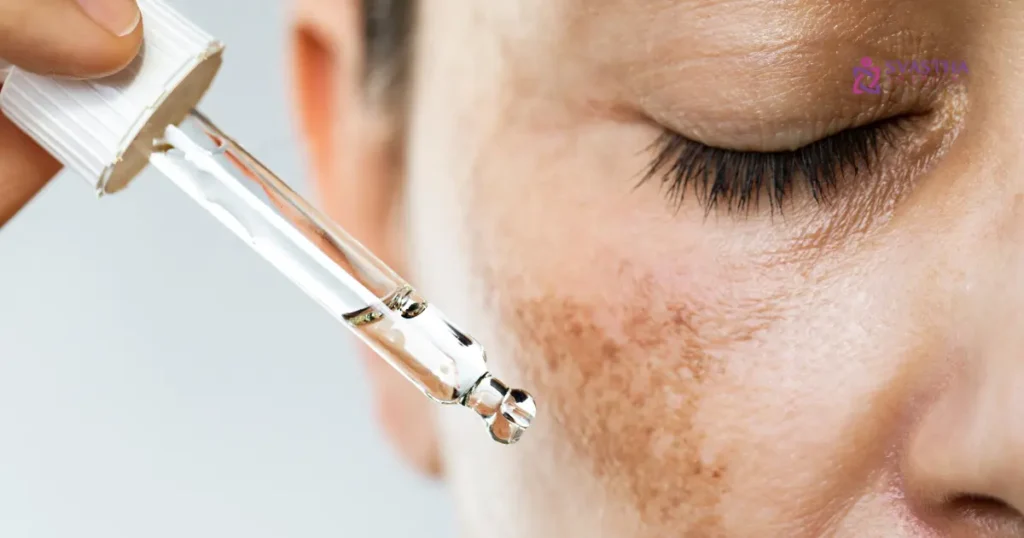
How to Treat Hyperpigmentation for Brighter, Clearer Skin
Many people ask how to treat hyperpigmentation because dark patches or spots can make the skin look uneven. Hyperpigmentation means that certain areas of skin become darker than the surrounding skin. It can happen after acne, sun exposure, irritation, hormonal changes, or inflammation. The good news is that there are safe and effective ways to improve it.
As a doctor, I always tell patients that how to treat hyperpigmentation depends on the cause. Some dark areas are simple post-acne marks. Others may be melasma, sun spots, or pigmentation caused by friction or irritation. The right treatment starts with knowing what type of pigmentation you have.
What Hyperpigmentation Is
Hyperpigmentation happens when the skin makes too much melanin, the pigment that gives skin its color. This extra pigment can collect in patches, spots, or larger areas. It is not usually dangerous, but it can be frustrating and affect confidence.
When people search for how to treat hyperpigmentation, they often want one quick solution. In reality, treatment usually works best when it combines sunscreen, skincare, and, in some cases, professional procedures. Pigmentation fades slowly, so patience matters.
Common Causes
There are many reasons why skin becomes darker in certain areas:
- Acne marks.
- Sun exposure.
- Melasma.
- Skin irritation.
- Picking at pimples or scars.
- Friction from masks, clothing, or rubbing.
- Hormonal changes.
This is why how to treat hyperpigmentation is not the same for everyone. A mark caused by acne may respond differently from melasma caused by hormones or sun exposure. A proper skin assessment helps choose the safest path.
Sunscreen Is the First Step
If you want to know how to treat hyperpigmentation, the first and most important step is sunscreen. Without sun protection, pigmentation often gets darker or returns after treatment. Even the best creams will not work well if the skin keeps getting exposed to UV rays.
Use a broad-spectrum sunscreen every day, even when it is cloudy or you are indoors near windows. Reapply if you are outside for long periods. This is especially important for melasma and post-acne marks, which can worsen with sun exposure.
Good Skincare Ingredients
Several ingredients can help fade dark spots over time. These are often used in the early plan for how to treat hyperpigmentation:
- Vitamin C, which helps brighten skin.
- Niacinamide, which can reduce uneven tone.
- Azelaic acid, which works well for acne-related pigmentation and melasma.
- Retinoids, which speed up skin cell turnover.
- Kojic acid, which may help lighten spots in some people.
- Tranexamic acid, which is often used for stubborn pigmentation.
These ingredients do not work instantly. They usually need several weeks to months to show results. Using too many products at once can irritate the skin and make pigmentation worse, so a simple plan is usually better.
Professional Treatments
If topical care is not enough, doctors may recommend procedures. The best choice depends on skin type and the depth of pigment.
Chemical peels can help remove the upper layer of pigmented skin and improve dull, uneven tone.
Laser treatments may help certain types of pigmentation, but they must be chosen carefully, especially for darker skin tones.
Microneedling can improve skin texture and may support fading of some pigmentation when combined with helpful serums.
Prescription creams may be used for stronger treatment when safe and appropriate.
When people ask how to treat hyperpigmentation, they often think stronger treatment is always better. That is not true. The safest treatment is the one matched to your skin type and pigmentation pattern.
Melasma Needs Extra Care
Melasma is a special type of pigmentation that often appears on the cheeks, forehead, upper lip, or nose. It is usually influenced by hormones and sunlight. It can be stubborn and may return if treatment is stopped too soon.
If melasma is your concern, how to treat hyperpigmentation includes a very careful routine:
- Daily sunscreen.
- Gentle skincare.
- Avoiding heat and too much sun.
- Prescription products when needed.
- Slow, controlled procedures.
Aggressive treatment can sometimes make melasma worse, so it should be handled by an experienced doctor.
What Makes Pigmentation Worse
Some habits can make dark spots harder to treat:
- Picking at acne.
- Skipping sunscreen.
- Using harsh scrubs.
- Rubbing the face too much.
- Trying too many strong products at once.
- Ignoring the original cause, such as acne or irritation.
A big part of how to treat hyperpigmentation is avoiding new triggers while the skin heals. If the skin keeps getting irritated, the pigment may keep coming back.
How Long It Takes
Pigmentation does not fade overnight. Mild marks may improve in a few weeks, but deeper or older spots often need months of care. Consistency is more important than speed.
A good treatment plan usually shows gradual progress. That is normal. When patients ask how to treat hyperpigmentation, I always remind them that the goal is steady improvement, not instant perfection.
When to See a Doctor
You should see a doctor if:
- The pigmentation is spreading.
- The spots are not improving.
- You are not sure what type of pigment it is.
- You have melasma or darker skin that needs careful treatment.
- Over-the-counter products are irritating your skin.
A doctor can tell the difference between post-acne marks, melasma, sun damage, and other pigmentation problems. That makes treatment safer and more effective.
Final Thoughts
The answer to how to treat hyperpigmentation is simple in theory but personal in practice. The foundation is daily sunscreen, gentle skincare, and avoiding irritation. For stubborn cases, procedures like chemical peels, microneedling, laser, or prescription creams may help.
The most important thing is to treat the cause, protect the skin, and stay consistent. With the right plan, dark spots can fade and the skin can become brighter, smoother, and more even over time.
Frequently Asked Questions
1. What is the best way to treat hyperpigmentation?
Daily sunscreen plus the right skincare ingredients is usually the first step. Stronger cases may need professional treatment.
2. Can hyperpigmentation go away on its own?
Some mild marks fade over time, but many need treatment to improve faster and more safely.
3. Which ingredient is best for dark spots?
Vitamin C, niacinamide, azelaic acid, and retinoids are commonly used, depending on skin type.
4. Is laser safe for hyperpigmentation?
Yes, but it must be chosen carefully, especially for darker skin tones and melasma.
5. How long does treatment take?
It may take several weeks to months, depending on the cause and severity of the pigmentation.