
Panic Attacks: Causes, Symptoms, and Coping Tools
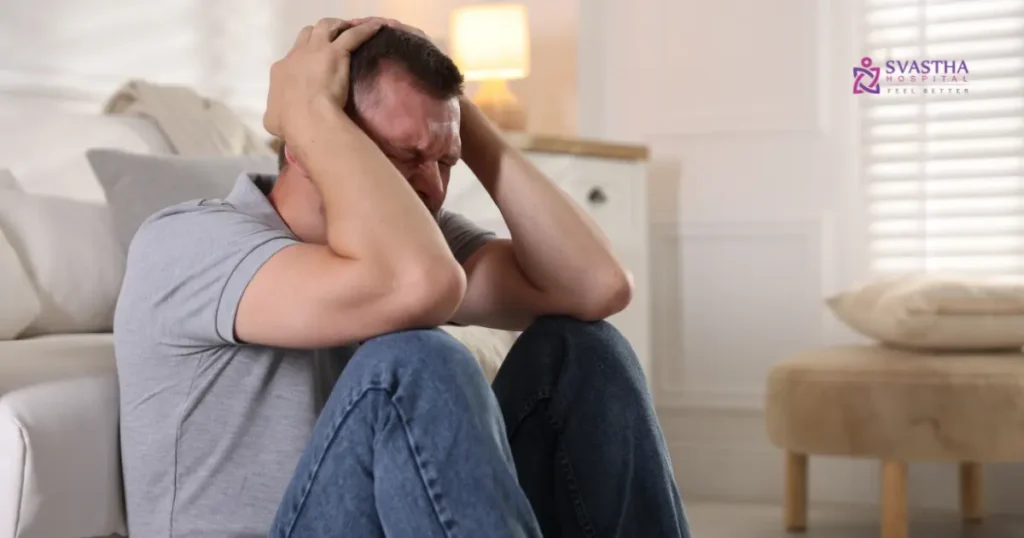
Panic attacks are sudden waves of intense fear or discomfort that can feel overwhelming. During panic attacks, a person may think something terrible is happening, such as a heart attack, fainting spell, or loss of control. Even though the feeling is very real, panic attacks are treatable, and people can learn to manage them.
A panic attack can happen out of nowhere, or it can be triggered by stress, fear, or certain situations. Some people have one attack and never have another. Others have repeated panic attacks, which can lead them to avoid places or activities they once enjoyed.
What panic attacks feel like
A panic attack often starts quickly and peaks within minutes. The body goes into a high-alert state, even when there is no real danger. This can make the person feel trapped and scared.
Common symptoms include:
- Fast heartbeat.
- Chest tightness or pain.
- Shortness of breath.
- Sweating.
- Shaking.
- Dizziness.
- Nausea.
- Feeling unreal or detached.
- Numbness or tingling.
- Fear of dying, fainting, or “going crazy.”
These symptoms can be frightening. Many people who have panic attacks go to the emergency room because they think it is a heart problem. A doctor can help rule out medical causes and confirm whether panic is the reason.
Why panic attacks happen
There is no single cause of panic attacks. They may happen because of stress, anxiety, trauma, family history, sleep problems, caffeine, or substance use. Sometimes they begin during a major life change, illness, or period of high pressure.
The brain and body may become overly sensitive to stress signals. Once a person has one panic attack, they may start fearing the next one. That fear itself can make another attack more likely.
Panic attack vs panic disorder
One panic attack does not always mean a person has panic disorder. Panic disorder is diagnosed when a person has repeated unexpected panic attacks and then develops ongoing fear about having more attacks. They may change their behavior to avoid situations where an attack could happen.
For example, someone may stop driving, avoid crowds, or stay near exits all the time. This can shrink daily life and increase distress. A doctor can help tell the difference between occasional panic attacks and panic disorder.
Coping during an attack
When panic attacks happen, the first goal is to help the body slow down. The attack will usually pass, even if it feels dangerous in the moment.
Helpful coping tools include:
- Slow breathing in through the nose and out through the mouth.
- Reminding yourself, “This is panic. It will pass.”
- Sitting in a safe place.
- Grounding by naming five things you see.
- Relaxing the shoulders and jaw.
- Avoiding extra caffeine or stimulation.
A simple breathing pattern can help: breathe in for four counts, out for six counts, and repeat gently. The goal is not to force the panic away, but to help the body feel safe enough to settle.
Treatment options
Treatment for panic attacks depends on how often they happen and how much they affect life. Many people improve with therapy, and some also need medicine.
1. Therapy
Cognitive behavioral therapy, or CBT, is one of the most effective treatments for panic attacks. It helps people understand the thoughts that make fear worse and teaches them how to respond differently. CBT also helps reduce avoidance, which is important for long-term recovery.
2. Medicine
Some people with frequent panic attacks benefit from medicine, especially if symptoms are severe or combined with depression or other anxiety problems. A doctor can decide what is appropriate and monitor side effects carefully.
3. Lifestyle support
Healthy routines can reduce the chance of panic attacks:
- Get regular sleep.
- Reduce caffeine and nicotine.
- Exercise regularly.
- Limit alcohol and drug use.
- Eat at regular times.
- Practice relaxation daily.
These habits support treatment but do not replace it when symptoms are serious.
When to seek help
It is a good idea to seek help if panic attacks happen more than once, if fear of another attack is affecting daily life, or if the person begins avoiding normal activities. A doctor should also evaluate repeated chest pain, breathing problems, or fainting to make sure there is no physical cause.
Seek urgent help if there are thoughts of self-harm, confusion, or severe distress. Early treatment can stop panic attacks from taking over daily life.
Can panic attacks get better?
Yes. Many people recover well from panic attacks with the right treatment and support. Some need therapy only. Others do best with therapy plus medicine and steady lifestyle changes.
The most important thing is to understand that panic attacks are real, but they are not dangerous in the way they feel. With the right help, people can learn to calm the fear and regain confidence.
Frequently Asked Questions
1. Are panic attacks dangerous?
Panic attacks feel very dangerous, but the attack itself usually is not harmful. Still, a doctor should check symptoms that look like a heart or breathing problem.
2. How long do panic attacks last?
Most panic attacks peak within minutes and then slowly settle down.
3. Can children have panic attacks?
Yes. Children and teens can have panic attacks, and they may need extra support from parents and doctors.
4. Do panic attacks mean I have panic disorder?
Not always. Repeated unexpected panic attacks with fear of more attacks may suggest panic disorder.
5. What is the best treatment for panic attacks?
CBT is one of the best treatments for panic attacks, and some people also benefit from medicine and lifestyle changes.