
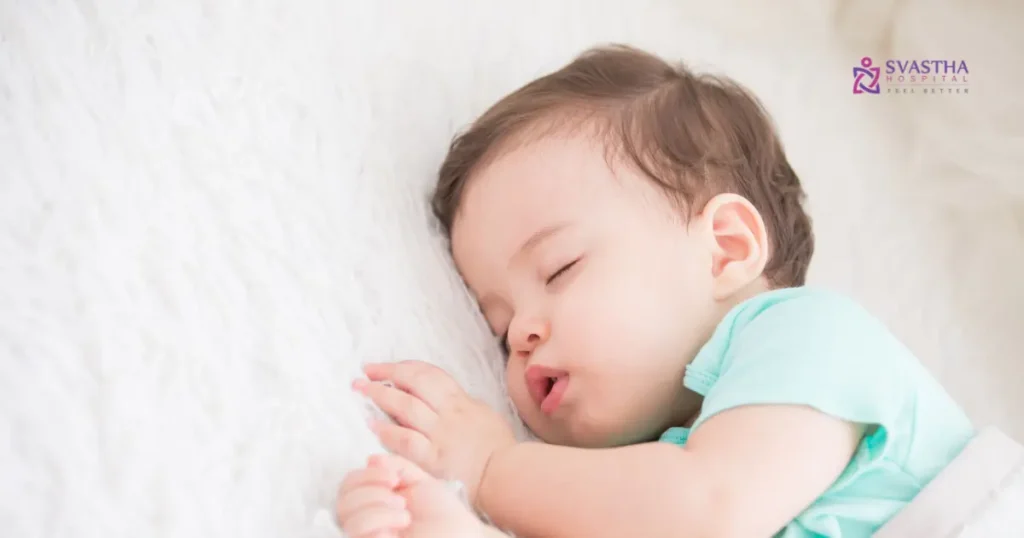
Safe Sleep for Babies: Simple Rules to Prevent Sleep Risks
Safe sleep for babies is one of the most important things parents can learn in the first year of life. Babies spend many hours sleeping, so the way they sleep matters a lot. A few simple habits can lower the risk of sleep-related accidents and help your baby rest more safely.
Many parents worry about whether their baby is breathing well, rolling over, or getting cold at night. These are normal concerns. The good news is that safe sleep for babies is easy to follow once you know the basic rules. With the right setup, you can make sleep safer and feel more confident.
Why safe sleep matters
A baby’s body is still growing, and their head, neck, and breathing system are more delicate than an older child’s. Unsafe sleep conditions can increase the risk of suffocation, overheating, and sudden infant death. That is why safe sleep for babies should be followed every time the baby sleeps, not just at night.
Even naps are important. A baby who is placed safely for a short nap has the same protection as one who sleeps overnight in a safe crib. Consistency is the key to baby sleep safety. Small habits practiced every day can make a big difference.
Best sleep position
The safest newborn sleep position is always on the back. Babies should sleep on their backs for every sleep until they can roll both ways on their own. Back sleeping keeps the airway more open and is the safest position recommended for infants.
Some parents worry their baby may choke if they spit up while sleeping on the back. In healthy babies, this is usually not a problem. Babies naturally protect their airway well. For safe sleep for babies, back sleeping is still the best choice even if the baby has mild reflux.
Never place a baby to sleep on the stomach or side unless a doctor gives special instructions for a medical reason. Side sleeping is not as safe because babies can roll forward onto the stomach. Newborn sleep position should always begin with the back.
Safe crib setup
Crib safety starts with a firm, flat mattress that fits snugly in the crib. The crib should have no gaps where the baby could get stuck. Use a fitted sheet only, and make sure it stays tight on the mattress.
Keep the sleep space empty. Do not place pillows, blankets, stuffed toys, bumper pads, wedges, or loose sheets in the crib. These items can block the baby’s face or make breathing harder. Safe sleep for babies means a simple sleep space with nothing extra inside.
If you use a bassinet, make sure it meets safety standards and is used only for the baby’s sleep. Do not use a sofa, chair, adult bed, or soft cushion for routine sleep. Those surfaces are not safe for baby sleep safety.
Room sharing and bed sharing
Room sharing means the baby sleeps in the same room as the parent but on a separate safe surface. This is a safe and recommended choice for many families in the early months. It makes feeding and checking on the baby easier while still protecting baby sleep safety.
Bed sharing, where the baby sleeps in the same bed as a parent, is not recommended because it raises the risk of accidental suffocation. This risk is even higher if adults are very tired, have used alcohol, or take medicine that makes them sleepy. Safe sleep for babies is best achieved with a separate crib or bassinet near the parent’s bed.
If space is limited, even a small bassinet placed beside the bed is better than bed sharing. The baby should have their own safe sleep area. Newborn sleep position and crib safety matter more than convenience.
Clothing and temperature
Babies do not need heavy blankets to stay warm. In fact, too much warmth can be risky. A baby should be dressed in light, comfortable clothing and, if needed, a wearable sleep sack instead of loose blankets. Safe sleep for babies includes avoiding overheating.
A useful rule is to dress the baby in one extra light layer more than the adult is wearing, but not too many layers. Check the baby’s chest or back to feel if they are too warm. Hands and feet may feel cool even when the baby is fine. Baby sleep safety improves when the room is comfortable, not hot.
Do not cover the baby’s head during sleep. A hat may be fine for a short time in some situations, but not for routine sleep indoors. The baby should be able to release heat easily.
Swaddling and rolling
Swaddling can help some newborns feel calm, but it must be done correctly. If you swaddle, make sure the baby can breathe easily and move the hips. The swaddle should be snug around the arms but not tight around the chest or legs.
Stop swaddling as soon as the baby shows signs of rolling. A swaddled baby who rolls over is at higher risk because they cannot move easily. Newborn sleep position changes as babies grow, and safe sleep for babies means adjusting as soon as milestones appear.
Once the baby starts rolling, use a sleep sack or wearable blanket instead of swaddling. This keeps the baby warm without loose fabric. Crib safety includes choosing sleep clothes that match the baby’s development.
Pacifiers and sleep
A pacifier may help reduce the risk of sleep-related problems when used at sleep time. If your baby accepts one, you can offer it when placing the baby to sleep. You do not need to put it back in the mouth once the baby falls asleep.
For breastfeeding babies, many doctors suggest waiting until feeding is well established before using a pacifier regularly. If you are unsure, ask your pediatrician what is best for your baby. Safe sleep for babies includes using tools wisely, not forcing them.
Never attach the pacifier to strings, cords, or clips during sleep. These can become dangerous. Baby sleep safety means keeping everything near the baby simple and safe.
Tummy time while awake
Tummy time is important, but it is only for when the baby is awake and watched. It helps build neck, shoulder, and upper body strength. It also helps prevent flat spots on the head. Safe sleep for babies is on the back, but awake time should include supervised tummy time.
Start with short sessions and increase gradually as your baby grows stronger. A few minutes several times a day is a good beginning. If the baby cries, try again later. Newborn sleep position and tummy time are both important, but they serve different purposes.
Never let a baby sleep on the stomach during tummy time. If the baby falls asleep, gently place them back on their back in a safe crib. That simple rule protects baby sleep safety.
Common mistakes to avoid
One common mistake is using soft bedding because it looks cozy. Another is thinking the baby needs a pillow for comfort. Babies do not need these items, and they can be unsafe. Safe sleep for babies works best when the sleep area is plain and firm.
Another mistake is letting the baby nap in a car seat, stroller, or swing for too long. These places are not ideal for routine sleep because the baby’s head can slump forward. If the baby falls asleep there, move them to a safe sleep surface as soon as possible. Crib safety should be the main choice for sleep.
Parents sometimes worry that a safe sleep space looks too empty. That emptiness is exactly what makes it safe. Baby sleep safety is not about making the crib soft; it is about removing risks.
When to ask a doctor
If your baby has breathing problems, severe reflux, special medical needs, or was born early, ask your doctor about any sleep concerns. Some babies need extra guidance. Safe sleep for babies is still important, but care may need to be adjusted in special situations.
Also ask for help if you are so tired that you may fall asleep while holding the baby. Exhaustion can make safe choices harder. Support from family, rest, and feeding help can improve both baby sleep safety and parent safety.
Final thoughts
Safe sleep for babies is built on a few simple habits: back sleeping, a firm empty crib, no loose blankets, a comfortable temperature, and careful watching as the baby grows. These steps are easy to remember and very powerful. They protect your baby during the many hours spent asleep.
You do not need fancy products to make sleep safe. You need consistent habits and a calm routine. When parents follow safe sleep for babies every time, they create a safer start for their child.
Frequently Asked Questions
1. What is the safest sleep position for a baby?
The safest newborn sleep position is on the back for every sleep.
2. Can my baby sleep with a blanket?
No. Loose blankets are not recommended. A sleep sack is safer.
3. Is it okay for my baby to sleep in my bed?
Bed sharing is not recommended because it increases sleep-related risks.
4. When should I stop swaddling?
Stop swaddling as soon as your baby shows signs of rolling over.
5. Can my baby sleep in a car seat at home?
Car seats are for travel, not routine sleep. Move the baby to a safe crib or bassinet as soon as possible.